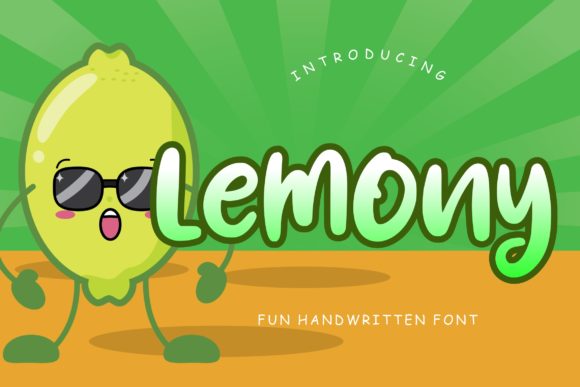
Lemony: A Versatile Display Font for Creative Expression
Lemony is a colorful and sweet display font that stands out with its friendly and approachable design. Its unique character set and playful aesthetic make it an excellent choice for a variety of creative projects. Whether you're designing a poster, crafting a logo, or enhancing a digital layout, Lemony can add a touch of charm and personality to your work.
What Makes Lemony Distinct?
Lemony is not just another display font—it’s a carefully crafted typeface that blends whimsy with functionality. The font features rounded curves and soft transitions, giving it a hand-drawn feel that feels both modern and nostalgic. This combination of elements makes Lemony ideal for projects that require a warm and inviting tone.
One of the standout features of Lemony is its color palette. Unlike many monochrome fonts, Lemony comes in a range of vibrant colors, allowing designers to match their typography to their brand identity or project theme. This versatility ensures that Lemony can be used in both print and digital media without losing its visual appeal.
Additionally, Lemony offers a good balance between readability and style. While it’s designed as a display font, it maintains enough legibility to be used in smaller sizes when necessary. This makes it suitable for a wider range of applications than many other similar fonts.
How Does Lemony Compare to Other Display Fonts?
When evaluating display fonts, it's important to consider how they stack up against alternatives. Lemony shares similarities with other playful and stylized typefaces like Bubblegum, Pacifico, and Great Vibes. However, there are key differences that set Lemony apart.
For instance, while Bubblegum is known for its exaggerated curves and bold strokes, Lemony has a more refined and balanced look. Similarly, Pacifico offers a handwritten feel, but it lacks the vibrant color options that Lemony provides. These distinctions mean that Lemony may be a better fit for certain design scenarios.
Another point of comparison is the use case. Lemony is particularly well-suited for branding, social media graphics, and promotional materials where a friendly and eye-catching appearance is desired. In contrast, fonts like Playfair Display or Merriweather are more appropriate for formal or professional settings due to their classic and elegant designs.
Strengths and Tradeoffs of Using Lemony
Like any font, Lemony has its strengths and limitations. One of its main advantages is its ability to convey warmth and approachability. This makes it especially effective for marketing campaigns targeting younger audiences or lifestyle brands that want to create a sense of community and connection.
However, there are situations where Lemony might not be the best choice. For example, in professional or academic contexts, its playful nature could be seen as too informal. Additionally, because of its stylized design, Lemony may not be ideal for long-form text or body copy where clarity and consistency are paramount.
Another consideration is the font’s limited support for certain languages and special characters. While this isn’t a deal-breaker for most users, it’s something to keep in mind if you’re working with multilingual content or need to include specific symbols.
Best-Fit Situations for Lemony
Lemony shines in environments where creativity and personality take center stage. Here are a few scenarios where using Lemony could be particularly effective:
- Branding and Logo Design: Lemony’s friendly and colorful appearance makes it a great option for creating logos or brand identities that reflect a fun and engaging personality.
- Social Media Graphics: Whether it's for Instagram posts, Twitter banners, or Facebook ads, Lemony adds a lively and eye-catching element to your visual content.
- Event Invitations and Promotional Materials: Its playful style aligns well with events such as festivals, parties, or children’s activities, helping to create a welcoming atmosphere.
- Digital Content Creation: From website headers to email subject lines, Lemony can help draw attention and enhance the overall aesthetic of your online presence.
In these cases, the font’s visual impact and emotional resonance can significantly enhance the effectiveness of your design.
Alternatives to Consider
If Lemony doesn't quite fit your needs, there are several alternative fonts that offer similar benefits while catering to different design goals. For example:
- Great Vibes: Another playful and whimsical font that shares Lemony’s friendly vibe but with a slightly more traditional feel.
- Cutive: A modern and clean font that balances style with readability, making it suitable for a broader range of applications.
- Bubblegum: Known for its bold and exaggerated curves, this font is ideal for creating a more energetic and dynamic look.
- Quicksand: A sans-serif font that offers a clean and professional appearance, perfect for those seeking a more structured design.
Each of these fonts has its own unique characteristics, so it’s important to evaluate them based on your specific project requirements and audience preferences.
Making an Informed Decision
Choosing the right font depends on a variety of factors, including the purpose of your project, your target audience, and the overall design direction. Lemony is an excellent option when you want to infuse your work with warmth, creativity, and personality.
However, it’s also important to recognize when another font might be more appropriate. For instance, if your design requires a more formal or professional tone, you might opt for a serif or sans-serif font instead. On the other hand, if you’re aiming for a fun and engaging look, Lemony could be the perfect fit.
Ultimately, the goal is to select a font that enhances your message and supports your design objectives. By understanding the strengths and limitations of Lemony, you can make a more informed decision about whether it’s the right choice for your next project.