Yoman: A Unique Display Font for Creative Expression
When it comes to typography, the right font can make all the difference in how a design is perceived. Yoman stands out as an incredibly unique display font that offers both visual appeal and functional versatility. Designed with bold strokes and a distinctive character set, Yoman is ideal for projects where making an impression is key. Whether you're crafting a logo, designing a poster, or creating a headline, Yoman has the potential to elevate your creative work.
What Makes Yoman Stand Out?
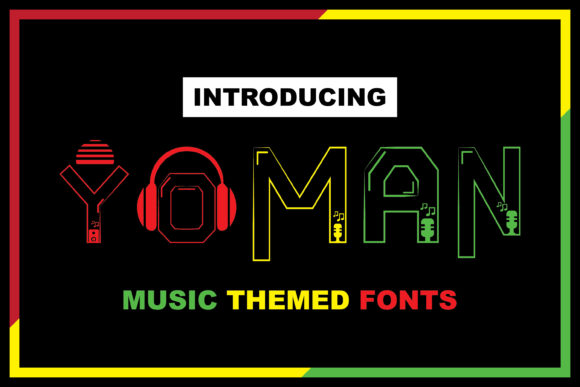
Yoman is more than just another display font—it’s a carefully crafted typographic experience. Its design features a combination of thick and thin strokes that create a dynamic contrast, making each letter visually engaging. This contrast helps the font maintain readability even at larger sizes, which is a rare quality in many display fonts.
One of the standout characteristics of Yoman is its personality. It doesn’t aim to be neutral or subtle; instead, it commands attention with its bold presence. The font's structure is reminiscent of classic serif styles but with a modern twist, allowing it to fit into both traditional and contemporary design contexts.
Another notable aspect of Yoman is its character set. It includes a wide range of symbols, ligatures, and alternate characters that can be used to add depth and uniqueness to your designs. These features are particularly useful for designers looking to create custom typography or incorporate special elements into their work.
Comparing Yoman to Other Display Fonts
While there are many display fonts available, Yoman distinguishes itself through its balance of style and usability. Let’s explore how it compares with some common alternatives:
- Impact: Impact is a classic choice for bold headlines, but its lack of variation in stroke weight can make it feel flat at larger sizes. Yoman, on the other hand, maintains visual interest due to its contrasting strokes.
- Beau Ideal: Beau Ideal is known for its elegant, refined look, but it may not be as impactful for large-scale use. Yoman offers a more robust and attention-grabbing alternative without sacrificing legibility.
- Orbitron: Orbitron is a geometric sans-serif font that works well for digital applications. However, its uniformity can sometimes make it feel less expressive. Yoman provides a more artistic and varied option for those seeking creativity over consistency.
These comparisons highlight how Yoman can serve as a strong alternative in situations where a font needs to stand out while still being readable and professional-looking.
Strengths and Limitations of Yoman
Like any font, Yoman has its strengths and limitations. Understanding these can help you decide when it's the best choice and when another font might be more appropriate.
Strengths:
- High Visual Impact: Yoman’s bold and varied strokes make it ideal for headlines, logos, and other elements where attention is crucial.
- Good Readability: Despite its decorative nature, Yoman remains highly readable at larger sizes, making it suitable for print and digital media.
- Customization Options: The font’s extensive character set allows for creative customization, enabling designers to tailor their typography to specific needs.
Limitations:
- Not Ideal for Body Text: Due to its heavy and stylized design, Yoman is not recommended for long passages of body text. It’s best suited for short, impactful phrases.
- Limited Weight Variations: While Yoman offers a few weight options, it lacks the full range of weights found in more comprehensive typefaces, which may limit its flexibility in certain design scenarios.
By understanding these strengths and limitations, you can better determine whether Yoman is the right choice for your project or if another font might be more suitable.
When to Use Yoman and When to Choose Another Option
Yoman is most effective in situations where a strong visual statement is needed. This includes:
- Logos and Branding: Yoman’s bold and unique style makes it an excellent choice for brand identities that want to stand out.
- Headlines and Titles: Whether for websites, posters, or social media, Yoman can draw attention and create a memorable first impression.
- Event Invitations and Promotional Materials: Its eye-catching appearance is perfect for event signage, flyers, and other promotional content.
- Artistic Designs: For creative projects that require a touch of personality and flair, Yoman adds a distinctive visual element.
However, there are scenarios where Yoman may not be the best fit:
- Long-Form Content: If your design involves extended text, consider using a more readable and balanced font like Georgia or Helvetica.
- Professional Documents: In formal or business settings, a more traditional font such as Times New Roman or Calibri may be more appropriate.
- Minimalist Design: Yoman’s bold style could overwhelm a minimalist layout, so it’s important to assess how it complements the overall design aesthetic.
Ultimately, the decision to use Yoman should be based on the specific goals of your project and the message you want to convey.
Realistic Examples and Practical Comparisons
To illustrate how Yoman can be applied in real-world scenarios, let’s consider a few examples:
Example 1: Logo Design
A local bakery wants to create a new logo that reflects its warm and inviting atmosphere. Using Yoman as the primary font allows the logo to stand out while maintaining a friendly and approachable feel. The font’s boldness draws attention, making it ideal for branding purposes.
Example 2: Social Media Post
A fashion influencer is preparing a post for Instagram. They want to highlight a new product launch with a striking headline. By using Yoman in the title, they create a visually engaging header that captures the viewer’s attention immediately.
Example 3: Poster Design
A music festival is creating a promotional poster. To ensure the message is clear and eye-catching, they choose Yoman for the main headline. The font’s distinctiveness helps the poster stand out among others, increasing its effectiveness in attracting attendees.
These examples demonstrate how Yoman can be effectively integrated into various design projects, depending on the context and purpose.
Conclusion
Yoman is an incredibly unique display font that offers a blend of style, readability, and versatility. Its bold and expressive design makes it ideal for projects where making an impact is essential. While it may not be the best choice for every situation, Yoman excels in contexts that require visual distinction and creativity.
By understanding its strengths, limitations, and appropriate use cases, you can make informed decisions about when to use Yoman and when to explore other options. Whether you’re designing a logo, crafting a headline, or creating a promotional piece, Yoman has the potential to elevate your work and leave a lasting impression.