Half Tone: A Casual and Fun Display Font That's Changing the Game
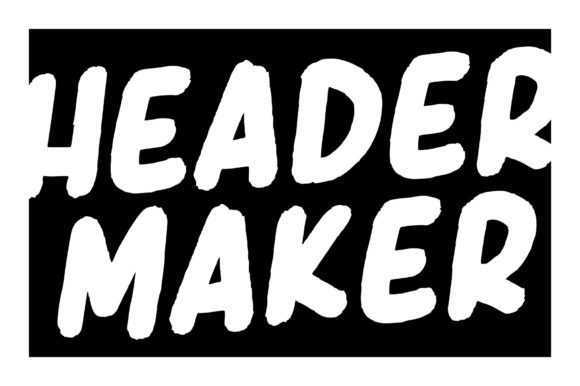
In the ever-evolving world of design, typography plays a crucial role in shaping visual identity and user experience. One font that has been making waves in recent years is Half Tone. Created with a brush pen aesthetic, this display font offers a unique blend of casual charm and playful energy. It’s not just another typeface—it’s a statement.
What Is Half Tone?
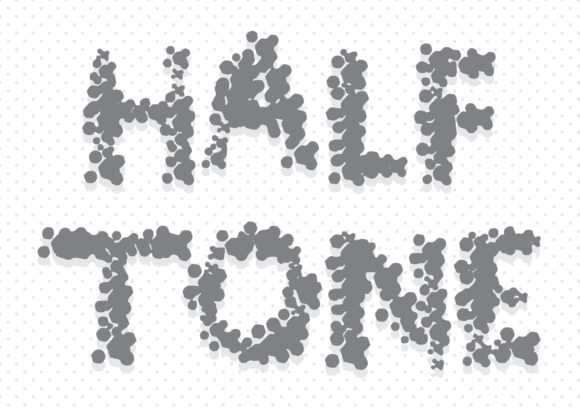
Half Tone is a display font designed to capture the essence of hand-drawn typography. Its name comes from the way it mimics the texture of half-toned images—those grainy, soft effects often seen in print media. The font features bold strokes, irregular spacing, and a sense of movement that gives it a lively, almost animated feel.
Unlike traditional serif or sans-serif fonts, Half Tone leans into imperfection. It’s not about precision; it’s about personality. Each letter feels like it was drawn by hand, with subtle variations in weight and direction. This makes it ideal for projects where you want to add a touch of character without sacrificing readability.
The Rise of Playful Typography in Design Trends
As digital design continues to evolve, there’s a growing trend toward more expressive and emotionally resonant visuals. Half Tone fits perfectly into this shift. In an age where users are constantly bombarded with polished, sterile designs, a font that feels human and approachable stands out.
This trend is especially visible in branding, social media, and user interface (UI) design. Companies and creators are increasingly using typography to convey brand voice and personality. Half Tone allows designers to communicate warmth, creativity, and authenticity in a way that aligns with modern consumer expectations.
Why Is Half Tone Gaining Attention?
There are several reasons why Half Tone is capturing the attention of professionals and enthusiasts alike:
- Visual storytelling: It adds a narrative quality to text, making it more engaging and memorable.
- Emotional connection: Its informal and fun style fosters a sense of relatability, which is key in today’s digital landscape.
- Adaptability: Whether used for logos, headings, or body text, Half Tone can be styled to fit a wide range of contexts.
- Cultural relevance: As people seek more personalized and authentic experiences, fonts like Half Tone help brands and creators stand out in a crowded market.
How Half Tone Fits Into Broader Creative Trends
The rise of Half Tone isn’t just about aesthetics—it reflects a broader shift in how we think about design and communication. Here are a few ways it aligns with current trends:
1. The Blurring Line Between Digital and Physical Design
With the increasing popularity of mixed-media content, designers are looking for fonts that bridge the gap between digital and physical spaces. Half Tone’s brush-pen texture makes it versatile across platforms—from website headers to printed posters and even social media posts.
2. The Demand for Authenticity in Branding
Consumers are becoming more discerning. They no longer settle for generic, cookie-cutter designs. Instead, they gravitate toward brands that feel real and human. Half Tone helps achieve this by adding a personal touch to visual elements, reinforcing brand identity through typography.
3. The Growth of Social Media as a Creative Platform
Social media has become a powerful tool for self-expression and business growth. Platforms like Instagram, TikTok, and Pinterest rely heavily on visual content, making typography a key component of engagement. Half Tone is perfect for creating eye-catching captions, headlines, and promotional graphics that resonate with audiences.
Practical Applications of Half Tone
While Half Tone may look playful, it’s incredibly practical for a variety of use cases. Here are some examples:
Branding and Logo Design
Many startups and small businesses are using Half Tone to create distinctive logos that reflect their brand’s personality. Its informal yet stylish appearance makes it ideal for companies that want to appear approachable and innovative.
Marketing Materials
From flyers to email newsletters, Half Tone adds a dynamic element to marketing materials. Its bold, expressive style can help capture attention and convey key messages in a more engaging way.
Web and App Design
When used appropriately, Half Tone can enhance user interfaces by adding visual interest without overwhelming the content. It works well as a heading font or for call-to-action buttons, guiding users through the interface with a friendly tone.
Artistic and Personal Projects
For creatives and hobbyists, Half Tone offers endless possibilities. Whether it’s for greeting cards, scrapbooking, or digital art, its unique texture can elevate any project with a touch of originality.
Conclusion: Embracing the Future of Typography
Half Tone is more than just a font—it’s a reflection of our evolving relationship with design and communication. As we move toward more expressive, personalized, and emotionally connected experiences, typography like Half Tone will continue to play a vital role in shaping the visual language of the future.
Whether you’re a designer, marketer, entrepreneur, or creative enthusiast, incorporating Half Tone into your work can help you stand out in a competitive landscape. It’s a reminder that design isn’t just about function—it’s about feeling, expression, and connection.
So, next time you’re working on a project, consider how Half Tone could bring a new level of creativity and personality to your visuals. After all, in a world full of noise, it’s the details that make the difference.